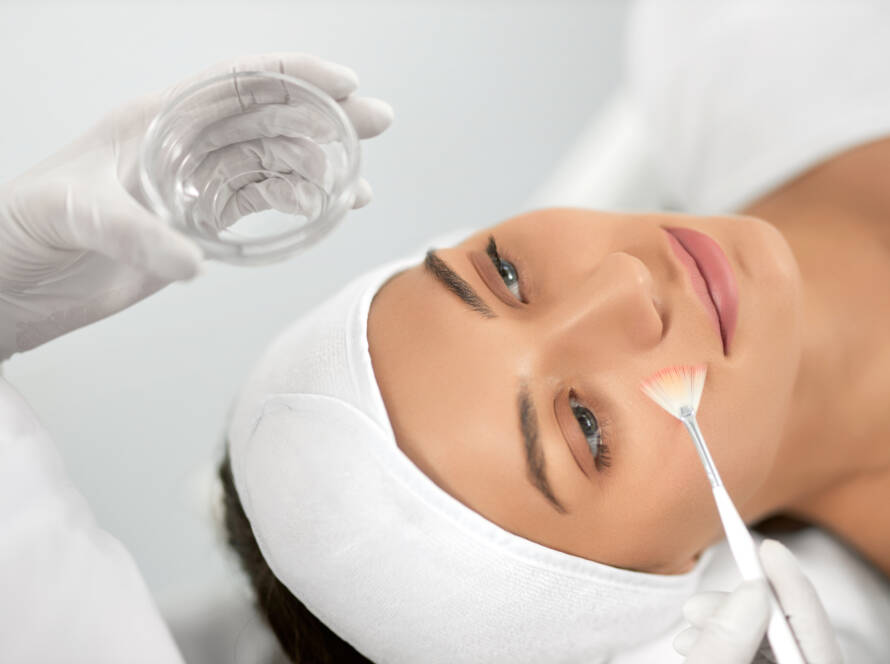
Client safety should always be one of the most important parts of beauty education. In a professional training environment, learning how to perform a treatment is only one side of the process. Understanding hygiene, contraindications, consultation, and aftercare is just as important. That is because good results mean very little if safety is ignored.
Professional beauty training should prepare students not only to work confidently, but also to work responsibly. Safety is not an extra part of the job. It is a core part of being a trusted beauty professional.
Safe Practice Starts With Proper Education
Students need to understand the full treatment process from start to finish. This includes preparing the workspace, using products correctly, following hygiene standards, and recognising when a treatment may not be suitable for a client. These are essential parts of professional practice and should be built into every quality training course.
When safety is taught properly from the beginning, students develop better habits and a more professional mindset.
Consultation Is A Key Part Of Safe Treatment
A proper client consultation helps identify important information before any treatment begins. It gives the practitioner a chance to understand the client’s expectations, medical background, and any possible contraindications. This protects both the client and the practitioner.
In professional beauty training, students should learn how to carry out consultations clearly and confidently. Good communication is a major part of safe and responsible treatment delivery.
Hygiene Standards Protect Everyone
Clean working practices are essential in every beauty environment. Students need to learn how to maintain hygiene throughout the full treatment process, including equipment preparation, product handling, and workstation cleanliness. These standards help reduce risk and create a more professional client experience.
Clients notice when a practitioner works carefully and professionally. Good hygiene builds trust as well as safety.
Understanding Contraindications Matters
Not every treatment is suitable for every client. A well trained beauty professional needs to understand when to proceed, when to adapt, and when to say no. This is one of the clearest signs of responsible training and real professionalism.
Learning about contraindications helps students make safer decisions and avoid unnecessary risks. It also reinforces the importance of treating each client as an individual.
Aftercare Is Part Of Professional Responsibility
Client safety does not end when the treatment is finished. Aftercare advice is an important part of the process and should always be explained clearly. Clients need to know how to look after the treated area, what to avoid, and when to seek further advice if needed.
Professional beauty training should prepare students to give aftercare guidance with confidence and clarity. This supports better outcomes and helps clients feel looked after properly.
Safety Builds Trust And Professional Standards
In the beauty industry, trust is everything. Clients want to feel confident that they are in safe hands. That trust is built through knowledge, professionalism, and responsible working methods. Training that prioritises safety helps students build stronger long term standards from the very beginning.
The importance of client safety in professional beauty training cannot be overstated. It protects clients, supports better results, and helps future practitioners build careers based on trust and quality.